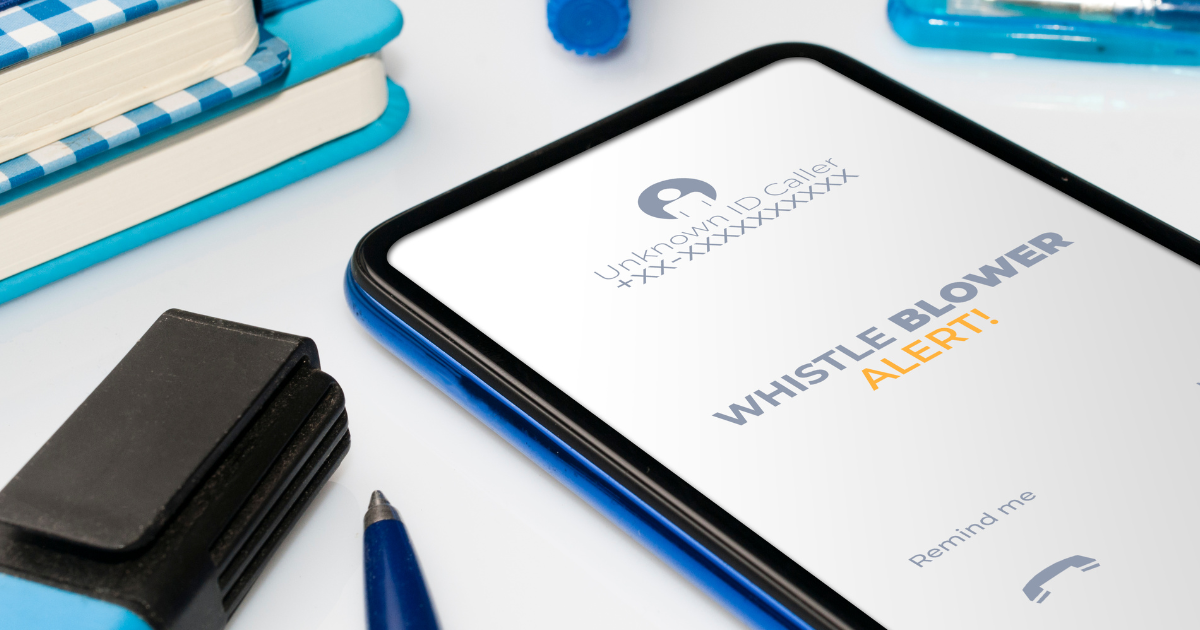
In recent years, there has been a noticeable increase in the number of individuals reporting wrongdoing within organizations without revealing their identities. Anonymous whistleblowing has become a powerful tool for exposing unethical, illegal, or harmful behavior while offering protection to those who may fear retaliation. This shift reflects a changing landscape in corporate culture, technology, and legal awareness. Understanding the reasons behind this trend is essential for both employers and employees navigating complex workplace dynamics.
Growing Awareness of Retaliation Risks
Fear of retaliation has long been one of the most significant barriers to whistleblowing. Employees may worry about losing their jobs, being demoted, facing harassment, or suffering professional setbacks if they speak out. In many cases, these fears are not unfounded. Retaliation can take subtle forms, such as being excluded from meetings, receiving unjust negative performance reviews, or experiencing workplace isolation.
As these risks have become more widely acknowledged, more whistleblowers are choosing to remain anonymous when reporting misconduct. The ability to report wrongdoing without revealing one’s identity provides a sense of security that empowers individuals to come forward. Employees no longer have to weigh their moral obligations against their financial stability or personal well-being.
Employers, too, are increasingly aware of the reputational and legal consequences of retaliation. Many companies are now implementing anonymous reporting systems as part of their compliance programs, recognizing that such systems can help uncover problems early, before they escalate into legal liabilities or public scandals. These changes reflect a broader cultural shift toward prioritizing ethical practices and protecting those who help maintain organizational integrity.
Advancements in Reporting Technology
The rise in anonymous whistleblowing can also be attributed to the development and adoption of secure, digital reporting platforms. These technologies allow individuals to submit reports online or through mobile applications, often with built-in encryption and other security measures to protect the identity of the whistleblower. Some platforms even allow for two-way communication between the whistleblower and investigators while preserving anonymity.
These tools have made the reporting process more accessible and less intimidating. Employees no longer need to schedule in-person meetings or navigate cumbersome internal procedures. With just a few clicks, they can report their concerns in a secure environment, often from the privacy of their own homes.
Furthermore, many organizations now outsource their whistleblowing systems to independent third-party providers. This additional layer of separation helps assure potential whistleblowers that their identities will remain confidential, even from their employers. The availability and reliability of these tools are contributing significantly to the rise in anonymous reporting and are likely to continue shaping whistleblowing practices in the years ahead.
Changing Cultural Attitudes Toward Accountability
Societal expectations around corporate transparency and accountability have evolved considerably. Movements advocating for workplace justice, environmental responsibility, and social equity have raised public consciousness and encouraged more individuals to speak up when they witness wrongdoing. Anonymous whistleblowing offers a way to participate in these movements without personal risk.
As public support for whistleblowers grows, the stigma that once surrounded them is beginning to fade. Whistleblowers are increasingly seen not as disloyal employees but as individuals standing up for what is right. This shift in perception is particularly significant in fields such as healthcare, education, finance, and public service, where the stakes for misconduct can be exceptionally high.
In Pennsylvania and across the nation, employers are being held to higher standards of conduct. Regulatory bodies and internal compliance departments are under increasing pressure to investigate claims promptly and thoroughly. Anonymous whistleblowing plays a crucial role in this process, enabling organizations to identify and address misconduct proactively, often before external legal or regulatory intervention becomes necessary.
Philadelphia Employment Lawyers at The Gold Law Firm P.C., Help You Understand Your Rights
Anonymous whistleblowing is becoming more prevalent for good reason—it provides a safer and more accessible path for individuals to report misconduct and uphold ethical standards. Speak with the Philadelphia employment lawyers at The Gold Law Firm P.C. today to learn more. Contact us at 215-569-1999 or online to schedule your free consultation. With offices in Philadelphia and Pennsauken, New Jersey, we proudly serve clients in South Jersey and Southeastern Pennsylvania, including Wilkes-Barre, Scranton, Northeast Philadelphia, Bucks County, Chester County, Delaware County, Lehigh County, Montgomery County, and Cherry Hill.